







Categories
articles

10 Ways on How We Can Save and Grow in the Philippines

10 Ways on How We Can Save and Grow in the Philippines​

December 1, 2024 | by HC Mutual

In a country like the Philippines, where financial literacy remains a challenge for many, learning how to save and grow your money is essential to achieving financial security and long-term prosperity. Whether you’re living in a bustling metro like Manila or a rural province, there are practical steps everyone can take to improve their financial situation.

Here are ten ways on how we can save and grow:

1. Create a budget

A solid budget is the foundation of good financial health. Start by tracking your income and expenses. Categorize your spending into needs and wants to identify areas where you can cut back. There are wallet apps that can help you manage your finances more effectively. Many households rely on cash-based transactions, so having a clear budget can prevent overspending.

2. Build an emergency fund

An emergency fund is a financial cushion for unexpected situations such as medical expenses or sudden job loss. Financial experts recommend saving at least three to six months’ worth of living expenses. In the Philippines, where natural disasters such as typhoons and earthquakes are common, having an emergency fund is particularly important to weather through tough times.

3. Start saving early

One of the best ways to grow wealth is by starting early. Even small savings can compound over time. Set aside a portion of your income each month in a savings account or invest it in financial products. The earlier you begin, the more time your money has to grow. With inflation rates often higher than the interest rates offered by banks, it’s also essential to look for higher-yield savings options.

4. Invest in mutual funds or UITFs

For those who have the capacity to invest, mutual funds or Unit Investment Trust Funds (UITFs) are a great way to grow wealth without requiring a large initial investment. These pooled funds are managed by professionals and allow you to invest in a diversified portfolio of stocks, bonds, and other assets. In the Philippines, various banks offer UITFs with relatively low initial investment amounts, making them accessible to the average Filipino.

Save for what matters.

Start saving for as low as PHP 101 per payday.​

Flexible savings plan of 3, 5, or 7 years.

3% earnings from your savings per annum.

Save for what matters.

Start saving for as low as PHP 1,212, PHP 2,424, or PHP 3,636 per payday.

Fixed 5-year savings plan.

5% per annum after 5 years upon completion of the plan.

5. Consider the stock market

Investing in the Philippine Stock Exchange (PSE) can be a rewarding long-term strategy for building wealth. While the stock market can be volatile, consistent investing in stable, blue-chip stocks or Exchange Traded Funds (ETFs) can yield significant returns over time. If you’re new to investing, consider taking online courses or consulting a financial advisor to better understand market dynamics.

6. Practice frugality and smart spending

Living within your means is a key principle of saving. In a country like the Philippines, where inflation is often a concern, it’s important to be mindful of how much you spend. Shop smart by buying in bulk, using discounts, and comparing prices before making purchases. Cooking at home instead of dining out, and minimizing unnecessary expenses, can significantly free up resources for saving or investing.

7. Utilize government-backed savings programs

The Philippine government offers several programs to help citizens save and grow their money. One of the most popular is the Pag-IBIG Fund, which provides savings programs and affordable housing loans. The Social Security System (SSS) also offers voluntary contributions that not only provide retirement benefits but also act as a savings plan for the future. Take advantage of these programs to ensure financial security in later years.

8. Diversify your income streams

Relying on a single income source can be risky, especially with the economic uncertainties that many Filipinos face. Consider diversifying your income by starting a small business, working part-time, or exploring online freelance opportunities. E-commerce, online tutoring, or content creation are just some of the ways Filipinos are increasing their income. Multiple income streams allow you to save and invest more.

9. Take advantage of technology

In today’s digital age, technology has made managing finances easier than ever. Mobile banking apps offer convenient ways to save, send money, and even invest in stocks or mutual funds. These apps often provide features like bill payment reminders and budgeting tools, making it easier for you to track your finances and make smarter financial decisions.

10. Keep learning about personal finance

Financial literacy is an ongoing journey. Whether it’s reading books, listening to podcasts, or attending webinars, continuous learning can help you make better decisions with your money. In the Philippines, there are numerous free resources online, as well as local seminars that teach financial literacy. Educating yourself on topics such as budgeting, investing, and tax planning is crucial to achieving financial freedom.

Saving and growing your money requires discipline, patience, and a long-term mindset. In the Philippines, where economic challenges persist, taking small, consistent steps to improve your financial situation can make a significant difference. By budgeting, saving early, investing wisely, and continuously learning, you can set yourself on the path to financial security and wealth-building for the future.

SHARE

Share on facebook
Share on twitter
Share on email
Share on pinterest
Related Posts
Categories
articles

Exploring Affordable Housing Solutions

Exploring Affordable Housing Solutions​

How Filipinos Can Access Low-Cost Loans

November 1, 2024 | by HC Mutual

As the demand for housing continues to rise in the Philippines, the challenge of finding affordable options has become increasingly significant. Many Filipinos dream of owning their homes but face financial barriers that make this aspiration seem out of reach.

Fortunately, there are various affordable housing solutions available, including low-cost loans designed to help individuals and families achieve their dream of homeownership.

Understanding the Housing Crisis in the Philippines

Over the past few decades, our country has undergone rapid urban growth, resulting in a housing crisis that affects many families. With rising property prices and inadequate housing, a significant number of people find themselves living in informal settlements.

According to the National Economic and Development Authority (NEDA), we need around 6.5 million housing units to meet this growing demand. Unfortunately, with construction costs on the rise and economic challenges intensified by the COVID-19 pandemic, many Filipinos are left grappling with the struggle to find affordable housing options.

Low-Cost Loan Programs

To combat these challenges, the government and various financial institutions have implemented low-cost loan programs aimed at making housing more accessible. Here are some key options available to Filipinos:

1. Pag-IBIG Fund

The Pag-IBIG Fund is a government-run savings program that provides housing loans to members. It is designed to assist workers, whether employed or self-employed, in financing their homes. The Pag-IBIG housing loan program allows members to borrow up to P6 million for the purchase of residential properties, construction, or home improvement.

2. Socialized Housing Program

The government also offers socialized housing programs that cater specifically to low-income families. Under the Republic Act No. 7279, or the Urban Development and Housing Act (UDHA), housing units are provided at lower costs. The National Housing Authority (NHA) oversees these programs, making it easier for families earning less than P15,000 monthly to access affordable housing solutions.

3. Banks and Financial Institutions

Many financial institutions provide housing loans with competitive interest rates and flexible terms. Several of these institutions have tailored products specifically designed for low-income borrowers, making it easier for them to secure a loan.

Alternative Financing Solutions

In addition to government programs and traditional banks, there are also alternative financing solutions available for Filipinos, especially those who may have difficulties meeting the requirements of traditional options.

  • Mutual Funds

Institutions like HC Mutual offer investment opportunities on mutual funds which work similar to a time-deposit savings plan, where you save a set amount monthly and earn a compounding interest on your investment for a set number of years you choose.

As you work on your savings, HC Mutual offers exclusive benefits for savings plan members, which include cash loans and affordable home loans with very attractive terms.

HC Mutual’s KayaMo Home Loan

KayaMo Home Loan is a robust alternative for home financing, especially for first-time home buyers. With a lower starting down payment, flexible terms, and affordable interest rates coupled with a disciplined savings plan, this loan is designed to help you secure your dream home and invest for your future.

HC Mutual’s KayaMo Home Loan

KayaMo Home Loan is a robust alternative for home financing, especially for first-time home buyers. With a lower starting down payment, flexible terms, and affordable interest rates coupled with a disciplined savings plan, this loan is designed to help you secure your dream home and invest for your future.

Be on your way to owning a home!

Php 450,000 to Php 20M loan amount per member​

Easy application after one (1) month of membership​

Access to our partner developers and a wide range of brand-new homes OR the flexibility to choose your own property

Payment holidays extension in case of emergencies

Welcome gift upon moving in and 1-year Accidental-Life Insurance coverage worth Php 500,000​

  • Microfinance Institutions

Microfinance institutions (MFIs) offer small loans to individuals who may not qualify for traditional bank financing. These loans can be used for home improvement or to purchase land, often with more lenient eligibility criteria.

  • Community-Based Lending

Community-based lending programs allow residents to pool resources and provide loans to fellow community members. These programs often emphasize collaboration and mutual support, making them an effective option for low-income households.

– Barangay Lending Circles

Informal groups where residents contribute to a communal fund, loaning money for needs like small businesses or medical expenses.

– Cooperatives

Local cooperatives pool resources to offer loans and savings, fostering collaboration and support, especially in rural areas with limited banking access.

Accessing affordable housing is a challenge, but low-cost loans and various government programs provide hopeful solutions for many families. By understanding the available options—such as the Pag-IBIG Fund, socialized housing programs, and offerings from banks and microfinance institutions—more Filipinos can take significant steps toward achieving homeownership. Start planning today!

SHARE

Share on facebook
Share on twitter
Share on email
Share on pinterest
Related Posts
Categories
articles

Help It’s Raining Expenses

Help It’s Raining Expenses

A Practical Guide to Saving Up for Emergency House Repairs

October 1, 2024 | by HC Mutual

Living in the Philippines, we all know the drill: when the rainy season rolls around, so do the typhoons. With each storm, there’s always the possibility of damage to our homes, from leaky roofs to broken windows. To protect our families and our investments, it’s crucial to prepare for these emergencies—starting with saving up for repairs.

The good news is we all know what’s coming; the question is how to properly prepare for it. Here’s how you can set aside money specifically for those unexpected expenses to ensure that your home remains a safe haven even during stormy weather.

Know the risks

First, it’s important to recognize what kinds of damage typhoons can inflict on your home. Heavy rains can lead to leaks, flooding, and even structural damage, while strong winds can uproot trees and break windows.

Assess your home for possible risk points. You may need to consider consulting with a contractor for a more accurate assessment of your home’s vulnerabilities, especially if it’s not a brand new house. By understanding the potential risks, you can better estimate the amount you may need for repairs. And if you determine that there are certain parts of your home that you can reinforce or fix now while it’s not yet heavily damaged, it will be worth addressing them in order to minimize bigger expenses in the future.

Allot funds for emergency repairs

Setting up a dedicated emergency repair fund is your best bet against the financial strain that comes with unexpected home repairs. Start by determining a realistic savings goal based on the potential repairs your home might need. A good start could be anywhere from PHP 10,000 to PHP 50,000, depending on the size and condition of your home.

Budget Wisely

Next, incorporate savings into your monthly budget. Take a close look at your expenses and identify areas where you can cut back. It might be as simple as dining out less or skipping that coffee run. Commit a portion of your salary each month to your repair fund. Even saving PHP 1,000 a month can accumulate to PHP 12,000 in a year—enough to cover minor repairs.
 

Explore additional savings options

If budgeting alone doesn’t feel sufficient, consider additional savings strategies. Look into high-interest savings accounts or government savings programs, like the Pag-IBIG Fund, which offers benefits for housing improvements and repairs. These options can help your money grow, providing a more robust safety net.

Explore additional savings options

In the spirit of bayanihan, why not gather your friends and family for a weekend of home maintenance? Learning basic repair skills can save you money and boost your confidence. Plus, it could be a very fun bonding activity, too!

Simple tasks, such as patching leaks, repainting, or securing loose roof shingles can significantly reduce repair costs. There are countless online tutorials and workshops available, many specifically geared toward common household repairs.

Connect with your community

Don’t underestimate the power of community support. Neighbors often come together during emergencies, and forming a local support network can be invaluable. Whether it’s sharing tools or information, pooling resources for repairs, or providing labor, your community can help lighten the financial burden. Consider organizing community workshops to discuss your community action plan in case of emergencies, and share knowledge about disaster preparation and home maintenance and repairs.

Stay Informed

Lastly, stay updated on weather forecasts, especially during the typhoon season. The Philippine Atmospheric, Geophysical, and Astronomical Services Administration (PAGASA) offers timely alerts that can help you prepare in advance and schedule any home improvement work you need done, especially if it will take days to finish or cure. Being proactive means you can make necessary repairs or reinforcements before the storm hits, potentially saving you time, money, and effort later.

Where you can start

HC Mutual is here to help you achieve your goals every step of the way. Our offerings are designed to empower beginner families to own their first home while having their savings earn more.

Start your journey to financial stability and a fruitful family life with our savings plans, which come with loan benefits to support your financial goals.

Save for what matters.

Start saving for as low as PHP 101 per payday.​

Flexible savings plan of 3, 5, or 7 years.

3% earnings from your savings per annum.

Earn more from your savings to reach
your goals faster.

Start saving for as low as PHP 1,212, PHP 2,424, or PHP 3,636 per payday.

Fixed 5-year savings plan.

5% per annum after 5 years upon completion of the plan.

Be prepared for financial emergencies.

Loan release within 24 hours of approval

Interest rate as low as 0.99%*

Flexible payment terms of 12, 18, or 24 months

While typhoons are a part of life, being financially prepared for emergency house repairs doesn’t have to be overwhelming. By understanding the risks, budgeting wisely, and leveraging community support, you can build a safety net that keeps your home and family secure during stormy times. Remember, a little planning today can lead to peace of mind tomorrow.

SHARE

Share on facebook
Share on twitter
Share on email
Share on pinterest
Related Posts
Categories
articles

Investing in Passion

Investing in Passion


How Supporting Your Child’s Dreams Can Transform Their Future

September 1, 2024 | by HC Mutual

In a world where every child has an untapped potential, the ability to nurture their passions can be a game-changer.
Take a moment to imagine the impact of supporting your child’s dreams and propelling them to success—like the way the two-time Olympic champion, Carlos Yulo, has become a beacon of inspiration for a whole nation. A journey from being a young dreamer to achieving greatness underscores how investing in a child’s passion can lead to extraordinary outcomes.
Investing in your child’s dreams has a broader impact on their lives and development as their own person. Being able to pursue their passions cultivates resilience, discipline, and creativity—qualities that extend beyond their specific interests and shape their overall character. A child’s pursuit of their passion can lead to personal growth and lifelong benefits.

Understanding and Encouraging Your Child’s Interests

Supporting a child’s passion often starts with understanding what truly excites them. Whether it’s an interest in the arts, sports, or science, recognizing and validating their enthusiasm is the first step. Early involvement in any field, nurtured by a supportive environment, demonstrates how vital encouragement and financial support are in pursuing excellence.
By providing opportunities for your child to explore their interests, you set the stage for their growth and discovery.

The Power of Financial Support

Your child’s success in pursuing their passion is frequently the consequence not only of their talent, but years of hard work, training, and tools that help them hone and refine those talents. These tools, realistically-speaking, require money—this in addition to schooling, allowance, and other miscellaneous expenses for your child.
 For many parents, this raises an important question: How can you provide financial support for your child’s aspirations?
 Financial support can take many forms. It might involve enrolling your child in specialized programs, purchasing necessary equipment, or funding travel for competitions or exhibitions. Investing in training and mentorship can be crucial in turning dreams into reality. As a parent, your ability to fund these extra needs can significantly expand and enhance your child’s opportunities.

Where you can start

Allotting space in your budget for your child’s passion is key—and HC Mutual is here to help you achieve your goals every step of the way.
Start your journey to financial stability and a fruitful family life with our savings plans, which come with loan benefits to support your financial goals, help you through financial emergencies, and purchase your own home.
 

Secure your future through saving.

  • Start saving for as low as PHP 101 per payday.
  • Flexible savings plan of 3, 5, or 7 years.
  • 3% earnings from your savings per annum.

Be prepared for financial emergencies.

  • Start saving for as low as PHP 1,212, PHP 2,424, or PHP 3,636 per payday.
  • Fixed 5-year savings plan.
  • 5% per annum after 5 years upon completion of the plan.

Be prepared for financial emergencies.

  • Loan release within 24 hours of approval
  • Interest rate as low as 0.99%*
  • Flexible payment terms of 12, 18, or 24 months

Engaging in Your Child’s Journey

Support doesn’t stop at funding your child’s passion. Engagement and participation are equally crucial. Attend their events, cheer them on, and be actively involved in their journey. Achievements are often a reflection of the collective effort and belief of those who supported them.
 Your involvement in your child’s passion not only motivates them but also fosters a deeper connection and understanding of their pursuits and a more meaningful relationship with your child.

Creating a Domino Effect

Investing in your child’s aspirations creates a domino effect. It sends a message about the value of pursuing one’s dreams and the importance of perseverance. By demonstrating and supporting a culture of commitment in the home, you instill in your children a sense of possibility and ambition. And their success serves as a testament to the rewards of such investment, inspiring anyone who dreams.
Funding and supporting your child’s passion is more than just a financial investment—it’s an investment in their future potential. Like Carlos Yulo and all young Filipinos who dared to dream and committed to turn those dreams into reality, your child’s journey could be similarly transformative with your encouragement and support. Embrace the opportunity to be a pillar of their endeavors. By doing so, you’re not just funding their passions; you’re paving the way for their success and fulfillment.

SHARE

Share on facebook
Share on twitter
Share on email
Share on pinterest
Related Posts
Categories
articles

What is Credit and Debt

What is “Credit” and “Debit”?


A Financial Literacy Guide to Managing Your Funds and Credit Score

August 1, 2024 | by HC Mutual

In today’s fast-paced world, financial literacy is crucial for managing your personal finances and securing your future. Whether you’re just starting your financial journey or looking to refine your money management skills, this guide will help you understand key concepts like the difference between credit and debit, and how to responsibly manage your credit score.

Understanding Credit and Debit

First, let’s clarify the basics: credit and debit. Knowing the difference is very useful for when you’re accounting your budget and expenditures. What does it mean when money is “credited” or “debited” from your account?
A debit from your bank account occurs when you utilize funds from it to purchase something or pay someone. When your bank account gets debited, money is taken out of it. A credit, on the other hand, is when money is added to your account. For instance, “your refund has been credited into your account” means that the money was put or added back into your account.

Debit Card vs. Credit Card

Now that we have learned how debit and credit are defined in financial literacy terms, let’s move on to the two types of cards you probably have in your wallet.

Debit Cards

When you use a debit card, you’re spending money that you already have in your bank account. The transaction amount is deducted directly from your available balance. It’s like paying with cash but in digital form.
Debit cards help you avoid debt since you can’t spend more than what’s in your account, making them a great tool for everyday purchases and budgeting. But since debit cards are as good as cash, make sure that your cash flow is properly managed. One way to do that is through credit.

Credit Cards

A credit card allows you to borrow money from the card issuer up to a certain limit (also known as the “credit limit”) to make purchases or withdraw cash. You’re essentially taking a short-term loan that you need to pay back, either in full or over time. Credit cards offer flexibility and convenience, especially for larger purchases or emergencies.
However, they come with the responsibility of paying back what you owe, usually with interest. Always take the interest fees into consideration when planning your credit spend and payment schedule to avoid overshooting your budget.
Another type of revolving credit is a credit line. This type allows you to borrow only the amount required while avoiding paying interest on a huge loan. A credit limit is set, allowing funds to be used for various needs. Interest accrues at regular intervals, and payments can be made at your convenience.
A credit line is also suitable for short-term financing requirements, such as day-to-day operating expenses or temporary cash flow difficulties.

The Importance of Your Credit Score

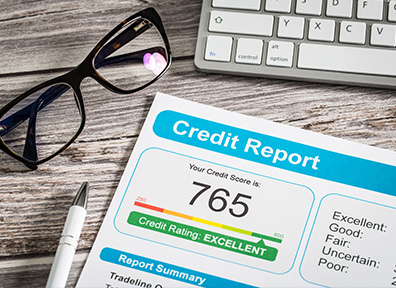
Your credit score is a critical aspect of your financial health. It’s a three-digit number that represents your creditworthiness: How likely you are to repay borrowed money. In the Philippines, credit scores range from 300 to 850, with higher scores indicating better creditworthiness.

Why Your Credit Score Matters

1
Loan Approvals
Banks and lenders use your credit score to decide whether to approve your loan applications. A higher score increases your chances of approval.
2
Interest Rates

A good credit score can help you secure lower interest rates on loans and credit cards, saving you money in the long run.

3
Rental Applications

Some landlords check credit scores to evaluate potential tenants, so a good score can make renting easier.

4
Job Applications

Certain employers may review your credit history as part of their hiring process, particularly for positions involving financial responsibilities.

How to Build and Maintain a Good Credit Score

1
Pay Your Bills on Time

Consistently paying your bills on time is one of the most important factors in maintaining a good credit score. Set reminders or automate payments to avoid missing due dates.

2
Keep Credit Utilization Low

Credit utilization is the ratio of your current credit card balance to your credit limit. Aim to keep it below 30% to show lenders you’re managing your credit responsibly.

3
Avoid Applying for Too Much Credit at Once

Each time you apply for credit, a hard inquiry is made on your report, which can slightly lower your score. Limit new credit applications to when it’s necessary.

4
Review Your Credit Report Regularly

Check your credit report for errors or signs of fraudulent activity. In the Philippines, you can get a free copy of your credit report from the Credit Information Corporation (CIC) annually.

Practical Tips for Financial Health

1
Create a Budget

Track your income and expenses to understand where your money is going. A budget helps you prioritize spending, save for future goals, and avoid debt.

2
Build an Emergency Fund

Set aside three to six months’ worth of living expenses in a separate savings account. This fund acts as a financial cushion for unexpected expenses.

3
Invest in Your Future

Consider various investment options like stocks, bonds, mutual funds, or real estate. Investing helps grow your wealth over time and can provide financial security.

4
Seek Financial Education

Continuously educate yourself about personal finance. Attend seminars, read books, or follow trusted financial blogs to stay informed.

Where you can start

HC Mutual is here to help you achieve your goals every step of the way. Our offerings are designed to empower beginner families to own their first home, be prepared for financial emergencies, and save in more efficient ways.

Start your journey to financial stability and a fruitful family life with our savings plans, which come with loan benefits to support your financial goals.

Secure your future through saving.

  • Start saving for as low as PHP 101 per payday.
  • Flexible savings plan of 3, 5, or 7 years.
  • 3% earnings from your savings per annum.

Be prepared for financial emergencies.

  • Start saving for as low as PHP 1,212, PHP 2,424, or PHP 3,636 per payday.
  • Fixed 5-year savings plan.
  • 5% per annum after 5 years upon completion of the plan.

Be on your way to owning a home!

  • Up to Php 20M loan amount per member for purchasing or home renovations
  • Fixed interest rates
  • Access to our partner developers and a wide range of brand-new homes OR the flexibility to choose your own property
  • Flexible payment terms with payment holidays in case of emergencies
  • Welcome gift upon moving in and 1-year Accidental-Life Insurance coverage worth Php 500,000

Be prepared for financial emergencies.

  • Loan release within 24 hours of approval
  • Interest rate as low as 0.99%*
  • Flexible payment terms of 12, 18, or 24 months

Financial literacy is an ongoing journey, and understanding the basics of credit, debit, and credit scores is a crucial step. By managing your credit responsibly and adopting healthy financial habits, you can achieve financial stability and build a secure future. Remember, every small step towards financial literacy brings you closer to mastering your money and achieving your financial goals.


SHARE

Share on facebook
Share on twitter
Share on email
Share on pinterest
Related Posts
Categories
articles

Homey Days in Rainy Days

Homey Days in Rainy Days:


Tips to Make Your Home Cozy During Wet Weather

July 1, 2024 | by HC Mutual

The rainy season in the Philippines, often spanning from June to November, can bring about a unique atmosphere that is both calming and challenging. The frequent downpours, cooler temperatures, and overcast skies make it the perfect time to transform your home into a cozy sanctuary. Here are some tips on how to achieve that.

A Cozy Home Starts Outside

Creating a cozy home for the rainy days begins by inspecting the roof of your home for possible leaks. A sturdy roof and proper gutters helps keep the interior dry, warm, and safe. Insulated windows and doors prevent rain from getting inside, while a well-maintained garden with drainage prevents water buildup. These upgrades ensure your home remains comfortable and protected even during a downpour. Ensure that the exterior of your house undergoes yearly inspection for potential need for repairs.

A Cozy Home Starts Outside

Creating a cozy home for the rainy days begins by inspecting the roof of your home for possible leaks. A sturdy roof and proper gutters helps keep the interior dry, warm, and safe. Insulated windows and doors prevent rain from getting inside, while a well-maintained garden with drainage prevents water buildup. These upgrades ensure your home remains comfortable and protected even during a downpour. Ensure that the exterior of your house undergoes yearly inspection for potential need for repairs.

Add Comfortable Textures

Think about layering your sofa and beds with cozy throws pillows and blankets. Go for materials like wool, knitted fabrics, or fleece that provide extra warmth. Rugs can also be a great addition to floors, offering both comfort and insulation.

Create a Reading Nook

There’s nothing quite like curling up with a good book on a rainy day. Designate a corner of your home as a reading nook. A comfortable chair, a small table, and a good lamp are essentials. Enhance this space with a warm blanket and some of your favorite books or magazines. This little sanctuary can be your go-to spot for relaxation and escape.

Scent Your Space

Scents have a powerful impact on mood. Use scented candles or essential oils to fill your home with comforting aromas. Try vanilla, cinnamon, and lavender for their relaxing properties. The gentle flicker of a candle combined with a soothing scent can create a serene atmosphere that makes rainy days feel special.

Warm Drinks and Comfort Food

There’s nothing quite like curling up with a good book on a rainy day. Designate a corner of your home as a reading nook. A comfortable chair, a small table, and a good lamp are essentials. Enhance this space with a warm blanket and some of your favorite books or magazines. This little sanctuary can be your go-to spot for relaxation and escape.

Indoor Plants

Bringing a bit of nature indoors can brighten up your home even on the gloomiest of days. Indoor plants not only improve air quality but also add a touch of green that can lift your spirits. Choose low-maintenance plants like snake plants or peace lilies which thrive in low-light conditions.

Entertainment Options

Rainy days offer the perfect opportunity to catch up on movies, TV shows, or hobbies. Create a cozy entertainment area with a soft blanket, snacks, and your favorite films or series. If you enjoy crafts, puzzles, or board games, keep them easily accessible for those long, rainy afternoons.

Personal Touches

Finally, add personal touches that make your home uniquely yours. Photos, souvenirs, and favorite art pieces can make your home feel more personal and inviting. These little details contribute to a sense of belonging and comfort, especially during the rainy season.

Taking the First Steps Toward a Secure Home

At HC Mutual, we’re dedicated to helping you achieve your financial objectives. Our services are designed to support new families in owning their first home, preparing for financial emergencies, and saving more effectively.

This rainy season, secure your home and protect your family from the challenges that come with the weather. Take advantage of our loan benefits and start your journey toward financial stability today.

Be on your way to owning a home!

  • Up to Php 20M loan amount per member for purchasing or home renovations
  • Fixed interest rates
  • Access to our partner developers and a wide range of brand-new homes OR the flexibility to choose your own property
  • Flexible payment terms with payment holidays in case of emergencies
  • Welcome gift upon moving in and 1-year Accidental-Life Insurance coverage worth Php 500,000

Be prepared for financial emergencies.

  • Loan release within 24 hours of approval
  • Interest rate as low as 0.99%*
  • Flexible payment terms of 12, 18, or 24 months

By implementing these tips, you can turn your home into a cozy retreat that not only provides comfort during the rainy days but also enhances your overall well-being. Embrace the unique charm of the Philippine rainy season and make the most of this time to create a warm and inviting home.

SHARE

Share on facebook
Share on twitter
Share on email
Share on pinterest
Related Posts
Categories
articles

Starting A College Fund

Starting A College Fund
Your Guide to Securing Your Child’s College Education

June 1, 2024 | by HC Mutual

Every parent’s dream is to see their child complete their education. After all, a diploma is a valuable asset that a parent can leave for their child to secure their future, especially in the Philippines.

Planning for your child’s college education takes long-term commitment. Essentially, a college fund is a way to invest in your child’s college education by regularly setting aside money to help pay for their schooling when it’s time for them to enter the tertiary level.

Simple enough, but once you look at it in terms of years and even decades of planning, it starts to sound daunting—but we’re here to help make it easy for you.
Here’s a simple guide to get you started:

1. Start Early

One of the most effective strategies for saving is to start early. The power of compound interest means that the earlier you begin saving, the more time your money has to grow. Even small contributions made consistently over time can accumulate into a considerable amount by the time your child reaches school age and into adulthood.

3. Set a Goal

Evaluate how much money you might need for your child’s college expenses. Research on the estimate of tuition costs of tertiary education and consider inflation, or in other words, how much the value might increase by the time your child is ready for college.

Also, consider the additional costs associated with college matriculation fees. Your child may be attending college in another location, necessitating the rental of a dorm or apartment. Depending on the path they choose in college, there might also be other fees like laboratory or miscellaneous fees. Take all of those factors to adjust the margins of your budget. This gives you a reasonable target to aim for.

3. Pick a Savings Plan

On top of traditional savings plans from banks, there are also other ways you can build a college fund such as saving under mutual funds, or college funds in the form of insurance plans. With various investment options available, families can look into the best plan offer that suits their specific financial goals and timeline. You can also consider having more than one college fund, depending on the risk factor of each.

4. Make Saving Easy

Set up automated transfers from your bank account to your college savings plan. This way, you don’t have to remember to put money aside—it does the saving for you automatically. Setting up a dedicated college fund also helps to make you less tempted to tap into it.

HC Mutual is here to help you achieve your future goals for your child and your family through disciplined saving: A dedicated savings plan, automated every month through salary deduction, so you can quietly set aside an amount that’s reasonable for you monthly and grow it through a higher interest than most traditional bank accounts.

Once you start saving with HC Mutual, you can also avail of our cash loan benefit, which gives you access to emergency funds, with a small loan interest, without tapping into your savings.

Secure your future through saving.

  • Start saving for as low as PHP 101 per payday.
  • Flexible savings plan of 3, 5, or 7 years.
  • 3% earnings from your savings per annum.

Earn more from your savings to reach your goals faster.

  • Start saving for as low as PHP 1,212, PHP 2,424, or PHP 3,636 per payday.
  • Fixed 5-year savings plan.
  • 5% per annum after 5 years upon completion of the plan.

Be prepared for financial emergencies.

  • Loan release within 24 hours of approval
  • Interest rate as low as 0.99%*
  • Flexible payment terms of 12, 18, or 24 months

5. Invest Wisely

You might also want to consider additional investments that can complement your college fund, such as investing in a business, or investing in stocks and bonds. However, securing your college fund must be your main priority. Investments with high risk should only supplement your dedicated college fund, to safeguard it even in cases where the market goes down.

6. Take Advantage of Tax Benefits

Certain savings programs offer tax breaks, such as exemption from taxes on withdrawals intended for education expenses. Research on these benefits to help maximize your budget, both short and long-term.

7. Encourage Family Contribution

Family members, like grandparents and your child’s aunts and uncles, might want to help contribute to your child’s college fund. Instead of buying lots of toys or gifts, you can request them to deposit it towards the college fund instead.

8. Keep Track of Your Progress

Regularly check how much you’ve saved and how your investments are doing. This helps you stay on track with your savings goals and make adjustments if needed.

9. Look for Scholarships and Financial Aid

Canvass which colleges provide scholarships or financial aid for college, whether private or public, as well as government aid programs that you may be eligible for. You can bookmark these options by the time your child applies for college.

10. Stay Informed

Keep up to date with changes in college costs and financial aid options. Knowing what’s out there can help you make smart decisions about saving for college.

Remember, saving for college is a long-term commitment, but every little bit helps. By starting early, being consistent with your savings, and making use of available resources, you can build a solid college fund and secure your child’s future.

SHARE

Share on facebook
Share on twitter
Share on email
Share on pinterest
Related Posts
Categories
articles

Secure Your Child’s Future

Secure Your Child’s Future

Essential Saving Tips Every Parent Should Know

May 15, 2024 | by HC Mutual

As parents, ensuring the well-being and security of our children is paramount. While providing love, education, and support are crucial elements, financial stability plays an important role in our responsibility to safeguard their future.

This means that making financial adjustments today will be an investment for your children tomorrow.

Here are some essential saving tips to help you pave the way for your child's financial security:

The earlier, the better

One of the most effective strategies for saving is to start early. The power of compound interest means that the earlier you begin saving, the more time your money has to grow. Even small contributions made consistently over time can accumulate into a considerable amount by the time your child reaches school age and into adulthood.

Set your goals

Determine what you are saving for and how much you will need. Whether it’s for their college education, helping with a down payment on a house, or providing them with a financial safety net, having specific goals will give you a clear target to work towards.

Involve your children

Teach your child the value of saving by involving them in the process. Encourage them to save a portion of their allowance or monetary gifts they receive. This not only instills good financial habits but also helps them understand the importance of planning for the future.

Automate your savings

Set up automatic transfers from your checking or payroll account to a dedicated savings account. Automating your contributions ensures consistency and eliminates the temptation to spend the money elsewhere, while a dedicated account keeps the savings secure.

Create and follow a budget

Establish a budget that includes regular contributions towards your child’s savings. By allocating a portion of your income specifically for this purpose, you can ensure that saving becomes a priority in your financial planning.

Review your savings plan regularly

Periodically review your savings plan to track progress towards your goals. Life circumstances may change, so be prepared to adjust your savings strategy accordingly.

Minimize debts

Avoid racking up excessive debt that could hinder your ability to save for your child’s future. Prioritize paying off high-interest debts to free up more funds for savings.

Redirect your extra funds

Whenever you receive unexpected income, such as a bonus or a surfeit of revenue from your side work, consider allocating a portion of it towards your child’s savings.

Consider smart investments

Depending on your risk tolerance and time horizon, consider investing a portion of your savings in diversified investment vehicles such as mutual funds or index funds. Investments have the potential to generate higher returns over the long term compared to traditional savings accounts.

HC Mutual is here to help you achieve your future goals for your child and your family: From disciplined saving to owning a home and preparing for emergency expenditures.

Secure your future through saving.

  • Start saving for as low as PHP 101 per payday.
  • Flexible savings plan of 3, 5, or 7 years.
  • 3% earnings from your savings per annum.

Earn more from your savings to reach your goals faster.

  • Start saving for as low as PHP 1,212, PHP 2,424, or PHP 3,636 per payday.
  • Fixed 5-year savings plan.
  • 5% per annum after 5 years upon completion of the plan.

By implementing these saving tips consistently and diligently, you can build a solid financial foundation for your child’s future. Remember, the key is to start early, stay disciplined, and make saving a priority in your family’s financial planning. Your efforts today will pave the way for a brighter tomorrow for your child.

SHARE

Share on facebook
Share on twitter
Share on email
Share on pinterest
Related Posts
Categories
articles

Understanding Financial Literacy

Understanding Financial Literacy: 


How to Build Your Financial Confidence

April 1, 2024 | by HC Mutual

As April begins, so does an opportunity for everyone to prioritize their financial well-being.
April is known as Financial Literacy Month in many countries. For them, it’s a reminder of how important it is to understand money and make smart decisions about it.
Financial Literacy Month aims to promote awareness and education around financial literacy, equipping people with the knowledge and skills necessary to navigate the challenges of our finances.

Whether it’s learning to budget, save, invest, or plan for retirement, financial literacy covers a lot of ground that’s crucial for a stable financial life. 

Why Do We Need Financial Literacy?

Empowerment.

Financial literacy gives people the power to take charge of their money. When you understand how money works, you feel more confident making decisions that match your goals and values.

Prevention of financial pitfalls.

Knowing about money helps you steer clear of common problems like too much debt, spending indulgently, or not saving enough. With the right knowledge, you can spot these issues and avoid them.

Long-term financial planning.

Financial literacy isn’t just about today; it’s about tomorrow too. It helps you plan for things like retirement, investing, and making sure your family is taken care of after you’re gone.

Keeping the economy strong.

When more people understand money, it helps keep the economy stable. By being financially savvy, individuals can handle tough times better and make choices that ultimately help the economy stabilize and grow.

How Do We Achieve Financial Literacy?

It’s all about learning the foundations in order to apply them effectively. There are workshops, classes, and online resources being held and distributed, especially this month of April, to help you understand money better. Take advantage of the resources available to you both online and offline.
Whenever you have free time, you can also start integrating financial literacy learning activities into your daily habits.

Read books and articles about personal finance from trusted sources.

Participate in one webinar per week or per month. You can post the insights you gain on your social media accounts to share your knowledge, and process what you’ve learned.

Listen to podcasts or follow blogs about a personal finance subject that you either enjoy or could use assistance with.

Here are some recommended podcasts and blogs you can follow:

Financial literacy is broad and touches on many topics. You can avoid being overwhelmed by making learning a part of your daily routine. The important thing is to build your knowledge. It also helps to talk to people you know and trust and get varying opinions to expand your point of view.
Taking the first steps
to financial stability
HC Mutual is committed to assisting you in achieving your objectives at all times. Our offerings are intended to help new families own their first home, be prepared for financial emergencies, and save more efficiently.
 
Start your journey to financial stability and a fulfilling family life with our savings plans, which include loan benefits to help you achieve your financial goals.
HC Mutual offers savings plans with competitive interest rates and effortless savings options that can further help you take control of your finances and acquire financial stability in the future.

Secure your future through saving.

  • Start saving for as low as PHP 101 per payday.
  • Flexible savings plan of 3, 5, or 7 years.
  • 3% earnings from your savings per annum.

Earn more from your savings to reach your goals faster.

  • Start saving for as low as PHP 1,212, PHP 2,424, or PHP 3,636 per payday.
  • Fixed 5-year savings plan.
  • 5% per annum after 5 years upon completion of the plan.

Be prepared for financial emergencies.

  • Loan release within 24 hours of approval
  • Interest rate as low as 0.99%*
  • Flexible payment terms of 12, 18, or 24 months

Be on your way to owning a home!

  • Php 450,000 to Php 20M loan amount per member
  • Easy application after one (1) month of membership
  • Access to our partner developers and a wide range of brand-new homes OR the flexibility to choose your own property
  • Payment holidays extension in case of emergencies
  • Payment holidays extension in case of emergencies

Financial Literacy Month is a time to focus on learning and feeling empowered, instead of overwhelmed, about money matters. By investing in our financial knowledge, we’re investing in a brighter, more secure future for ourselves and those who come after us. Let’s make the most of this April by learning more about our finances and taking steps toward a healthier financial life.

SHARE

Share on facebook
Share on twitter
Share on email
Share on pinterest
Related Posts
Categories
articles

From “I do” to “We’re expecting”:

From “I do” to “We’re expecting”: 


Your guide to financial stability as you build a new home

March 12, 2024 | by HC Mutual

The decision to say “I do” is not just a vow exchanged between partners; it’s the beginning of a shared adventure that often leads to the creation of a family. As the two of you stand on the brink of marriage, you envision the wedding not only as a celebration of love but as the gateway to a future filled with anticipation of starting a family.
However, the notion that a wedding should be extravagant and grandiose at the beginning of a relationship is becoming impractical in today’s society. This is due to the high expense of a wedding, even if it’s not a lavish one.
Even though weddings are important events, the financial cost can be too much for a couple. This is of course, taking into account the life they are going to build after the wedding.
An increasing number of people are realizing the importance of planning ahead and making sure they have adequate funds before getting married, as opposed to following social norms and jumping into marriage too soon.
Financial security first
With rising inflation and the soaring property values that we experience today, delaying parenthood until you have sufficient income is just one of the ways that the concept of responsible family planning has evolved. After all, taking care of children entails large financial outlays for daily necessities, schooling, and health care.
If your future plans do include raising a family, remember that your future children will rely on your support until they reach adulthood. It is critical to have sufficient financial resources and a sustainable long-term financial plan for this big obligation.
 
Eventually, owning a home is also a good thing to have in your vision. As your future children grow up, having your own space lets you have more stability and puts your focus on the evolving needs of your family, instead of thinking about things like paying rent, or looking for a bigger space every few years.
Given everything you have to consider as you start this new chapter in your life, it is crucial to build a solid foundation, whether it’s emotional or financial, for the entire family—and this will ultimately become the basis of the household’s long-term success and happiness.
Planning ahead: The best decision you can make for your family

So how do you start financially planning for your future family life? Here are some things to consider:

Prioritize saving
By setting aside a portion of your income each month for an emergency fund, future education expenses, and a down payment on a home.
Consider creating separate accounts for specific goals to track progress and avoid unnecessary spending.
Open communication about financial values and priorities is key.
Discuss your individual spending habits, financial goals, and any potential challenges that may arise. This allows your partnership to be productive, healthy, and sustainable as your needs and goals evolve. 
Collaborate on making informed decisions 
About major purchases and investments, ensuring that both partners are on the same page.
This way, both parties will have equal ownership of every financial decision that takes place, alleviating future disagreements as well as solidifying the bond between partners.
By fostering transparency and discipline in your financial approach, you’ll not only build a strong economic foundation for your family but also strengthen your relationship through shared responsibility and trust.
 

Where you can start

HC Mutual is here to help you achieve your goals every step of the way. Our offerings are designed to empower beginner families to own their first home, be prepared for financial emergencies, and save in more efficient ways. Start your journey to financial stability and a fruitful family life with our savings plans, which come with loan benefits to support your financial goals.
Secure your future through saving.
  • Start saving for as low as PHP 101 per payday.
  • Flexible savings plan of 3, 5, or 7 years.
  • 3% earnings from your savings per annum.
Build up and earn big from your savings.
  • Start saving for as low as PHP 1,212, PHP 2,424, or PHP 3,636 per payday.
  • Fixed 5-year savings plan.
  • 5% per annum after 5 years upon completion of the plan.

Be prepared for financial emergencies.

  • Loan release within 24 hours of approval
  • Interest rate as low as 0.99%*
  • Flexible payment terms of 12, 18, or 24 months

Be on your way to owning a home!

  • Php 450,000 to Php 20M loan amount per member PHP 3,636 per payday.
  • Easy application after one (1) month of membership
  • Access to our partner developers and a wide range of brand-new homes OR the flexibility to choose your own property
  • Payment holidays extension in case of emergencies
  • Welcome gift upon moving in and 1-year Accidental-Life Insurance coverage worth Php 500,000

Starting this new chapter in your life sounds exciting as it is daunting—but being prepared for what to expect and starting to build a sound financial foundation not only allows couples to weather potential challenges more effectively, but also becomes the cornerstone of an enduring and fulfilling partnership as they build their new family.

SHARE

Share on facebook
Share on twitter
Share on email
Share on pinterest
Related Posts