Categories
articles

Towards a better future: Building up savings amid COVID-19

Towards a better future: Building up savings amid COVID-19

April 29, 2021 | by HC Mutual

Our way of life has changed drastically because of the pandemic. As a nation, we have discovered and endured unprecedented challenges, risks, and uncertainties. Financially, COVID-19 has also underscored the importance of planning and saving.

Beyond taking care and providing for your family during these difficult times, building up savings ensures a better future for you. Tomorrow brings new opportunities, and enough preparation can give you and your loved ones the best chance to seize them. To help you get started on your savings or achieving your financial goals during this pandemic, we’ve prepared a few tips for you.

1

Track your expenses 
and your income.

The first step to saving is reviewing, understanding, and evaluating your current cash flow and financial capacity. Ask yourself: Where is your money going? What are you spending on the most? How much are you earning at present? Are you receiving any financial assistance?

2

Set goals. Work through them one at a time.

Building up savings during this pandemic is a long game. Start by listing down short-term and long-term financial goals that you can slowly work through, one by one, within a set timeline—no need to rush. For a more detailed know-how on setting goals and putting them into action, check out our guide to creating doable financial plans here.

3

Utilise payment 
holidays.

Give yourself breathing space and ease the financial stress of the pandemic by seeking assistance where possible. Many financial institutions like HC Mutual provide payment holidays for loans and other financial services in case of emergencies. Check your utilities, mortgage, or active loans if it is possible to work out an arrangement for you.

Start saving for the future today.

HC Mutual offers its members the KayaMo Saver’s Plan—a hassle-free way to build up savings and put your financial goals within reach.

  • As low as P101 per payday
  • Flexible savings plans of 3, 5, or 7 years
  • Access to the KayaMo Cash Loan – This way, you can have the means to address your immediate financial needs without dipping into your savings.

4

Prioritise the 
essentials.

Online shops and cashless transactions have made it easier to spend money. While it is good to treat yourself once in a while, keep your shopping to a minimum and focus on securing essentials first.

5

Reallocate 
your funds

With the nationwide push to stay at home for safety, online classes, and—for some
individuals—the work-from-home setup, a portion of your budget can be added to your savings and emergency funds.

Final Thoughts

Despite the fear and struggles caused by COVID-19, all hope is not lost. You can still look forward to a better tomorrow and ensure that your loved ones can have a future with careful planning, good saving habits, and financial safety nets.

SHARE

Share on facebook
Share on twitter
Share on email
Share on pinterest
Related Posts
Categories
articles

Alternative Financing: How Non-banking Options Like HC Mutual Can Help You

Alternative Financing:
How Non-banking Options Like HC Mutual Can Help You

March 31, 2021 | by HC Mutual

Saving and responsible borrowing are some of the most important things to consider for your financial growth. They help you build up a good credit score, prepare for emergencies, get you your first car or home, and most importantly, make sure that you can give your family a comfortable life.

But sometimes, saving or borrowing through traditional institutions like banks can be tough. The list of requirements is long, approvals are strict and often impossible with a damaged credit history; opening and maintaining a savings account can even cost you extra. 

If you find it difficult to access essential financial services because of these hurdles, rest easy—there are many options still available to you. Let us walk you through the basics of alternative financing and how this can help you achieve both your short-term and long-term financial goals.

What is alternative financing?

Nonbank or alternative financing are services, loans, or funds that are secured outside traditional banking. They can be provided by individuals, businesses, or financial institutions that are government-run or privately owned.

HC Mutual Building and Loan Association

is one of the many home-grown, non-banking institutions in the Philippines. We empower everyday Filipinos by helping them build up their savings and making sure that their dreams and financial goals are within their reach.

How is alternative financing
different from banks?

Better access
Getting the funding you need can be as simple as a few taps on your phone. Many alternative lenders and nonbanks rely on technology, making their products and services available online.

More flexibility
While non-bank institutions still need to follow guidelines and rules, they can better personalize rates and fees, and create more options for different financial needs.

Easier application and approval
Alternative financing requires less documents, is more forgiving when it comes to credit, and can sometimes require lower down payments depending on what service or loan you are applying for.

HC Mutual, for example, understands what it means to live on a budget, paycheck-to-paycheck, which is why we adapt a holistic view on our members’ credit history and worth.

Less waiting time
Alternative financing can release loans or provide funding within a few days. And in some cases, like the KayaMo Home Loan and KayaMo Cash Loan, within 24 hours of approval.

A world of possibilities: Alternative Financing Services

There is a wide range of non-banking services available to you. We’ve listed down the essentials to help you get started:

Building and Loan Associations

The main purpose of these financial institutions, like HC Mutual, is to make owning, purchasing, or building a home easier for more people, especially those who may be underbanked. Individuals or members subscribe to a number of shares for a time frame of their choice, investments that grow through interest, which members can then claim after maturity. As a benefit of being a shareholder, they also gain access to the institution’s loans and financial services.

Digital wallets

In this age where cashless payments are prevalent, nonbanks enable digital money management without having to open a savings account that requires a maintaining balance.

Personal, salary, and mortgage loans

Applying and receiving loans through alternative financing is easier and faster, with many financial institutions offering more flexible terms.

Business loans

Small businesses often have a harder time getting loans from banks. But by opting for alternative financing, even burgeoning entrepreneurs can get the capital they need to kickoff their business.

Peer-to-peer (P2P) lending platforms

P2P or crowd lending offers the same benefits as any alternative financing service, but with lower interest rates. This is possible because P2P platforms do not own the loans—they simply connect alternative lenders to borrowers.

Ask before you leap
We understand that going to the nearest nonbank can be tempting right now. But to make sure that you can make the most out of your hard-earned money, look out for these three points:

1. Interest rates – Alternative lenders can afford faster approvals and funding because of their interest rates. Before choosing a financial institution, make sure to look at your options and compare their fees and rates.

2. Transparency and simplicity – Did they clearly state and list down the fees and interest rates? Are the terms and conditions easy to understand?

3. Credibility – Try asking around or reading online articles. Have people ever worked with this financial institution before? Are they trustworthy? What are other customers saying about them?

Final Thoughts

Traditional banks will always be our first thought when it comes to loans and savings. But when getting access to crucial financial services becomes difficult, you can always look at different avenues. There are many options available that are safe, secure, and reliable—just make sure to ask around and research, and you’ll surely find the best fit for you and your financial goals.

We’d love to talk to you more about this HC Mutual-Acquired listing. Kindly fill out the form below and a member of our team will give you a call to discuss details.

Thank you for your interest.

We will be in touch with you soon to discuss more about your chosen home listing. Looking forward to talking to you!

SHARE

Share on facebook
Share on twitter
Share on email
Share on pinterest
Related Posts
Categories
articles

Treasuring Your Home: Maintenance and Upkeep Tips

Treasuring Your Home:
Maintenance and Upkeep Tips

November 17, 2020 | by HC Mutual

Our first home will always be a source of pride. It is a hard-earned goal, a place of respite, and—often for Filipino families—a legacy to pass on to their children. But whether it’s for the future or today, it’s important to keep your home in pristine condition and protected against raging storms and blistering heat.

If you’re a first-time homeowner, here is a handy guide to help you get started on a good maintenance routine.

  • Set up a cleaning schedule With the ongoing health crisis, hygiene and sanitation are especially important. It’s best to do a thorough clean-up regularly: schedule days for wiping down every corner, washing and drying rugs and carpets, cleaning your windows, and scrubbing down your bathroom and kitchen.
  • Test your home appliances Have you ever had your appliances break down at the same time? Preventing this stressful experience is easy but often overlooked: Check and clean your appliances regularly to extend service life and avoid unexpected expenses.
  • Check your plumbing Be on the lookout for leaks, rust, and clogging in your sinks and drains. By repairing or replacing the necessary fixtures in a timely way, you can prevent water damage to the structure and ensure that your home has clean water at all times.
  • Clean out the gutters Cleaning out clogged gutters may be a taxing chore, but it is vital in keeping your home in good condition. Gutters left with deposits and blocks can cause indoor flooding, rotten wood, holes on your roof, and water stains.

BUDGETING TIP!
Allocate a portion of your monthly budget to home maintenance. In addition to being prepared, you can also have the means to solve minor fixes before they turn into
problems—letting you save more time, effort, and money in the long run.

For unexpected repairs or renovations, HC Mutual offers flexible loans like the KayaMo Cash Loan. Our members enjoy quick loan release as early as 24 hours after approval.

Don’t forget!

Your Checklist:
  • Clean every room regularly
  • Check your appliances
  • Repair leaks and clean out clogs
  • Clean the gutter
  • Fill or replace cracked tiles
  • Repair wall cracks
  • Watch out for holes or rust on your roof
  • Add a fresh coating of exterior paint
  • Open windows for better ventilation
  • Repair cracks on tiles and walls When left alone, even hairline cracks can lead to bigger damages and serve as breeding grounds for bacteria, especially in the bathroom and kitchen. Make sure to fill in cracks and gouter gaps with paint or glaze.
  • Inspect your roof The roof plays a crucial role in keeping your family safe and dry—sheltering you against strong winds, heavy rainfall, and intense heat. Check your roof regularly and schedule needed repairs in the summer to make sure that you aren’t caught off guard by holes, rust, or corrosion during rainy days.
  • Paint your home’s exterior walls A fresh coat of paint gives your home an extra layer of protection against the elements, dust, and even insects. Schedule a yearly inspection of your exterior walls and repaint when needed. Choose your favorite color and add more life to your walls while keeping your family safe.
  • Ensure proper ventilation Home maintenance goes beyond preventing
    damage—your family’s comfort and health are also important. Open windows to let in fresh air and improve indoor air quality. Proper ventilation is good for a person’s well-being and in regulating the temperature inside your home.

BUDGETING TIP!
If you’re still saving up to buy or build your first home, factor in the budget you’ll need for utilities, furnishings, maintenance, and insurance.

The KayaMo Home Loan makes owning your home easier with its fixed rates, payment holidays, and Accidental Life Insurance coverage.

A well-maintained home can mean protection for your family during stormy days, comfort in turbulent times, and a safe space for children to grow happy and healthy. When you keep your home in good condition, you also show how much you care for your family.

SHARE

Share on facebook
Share on twitter
Share on email
Share on pinterest
Related Posts
Categories
articles

Bayanihan to Recover as One Act: Together, we can overcome any hurdle.

Bayanihan to Recover as One Act:
Together, we can overcome any hurdle.

October 16, 2020 | by HC Mutual

As part of the Bayanihan to Recover as One Act (R.A. No. 11494), you could get a one-time 60-day grace period for your loans if needed. This grace period is open only to qualified members with active cash loans and mortgages, as well as current loan accounts with payments expected between September 15 to December 31, 2020.

Rest assured that you will not incur any additional interest, penalties, fees, or other charges from this grace period. However, interest accrued for cash loans and/or mortgages during the 60 days should still be paid by December 31, 2020. You may choose to complete your payments for rescheduled due dates in full or through a staggered basis.

We are here for you.

Should you wish to avail of the 60-day grace period, kindly contact us on or before October 26, 2020.
Email address: callcntr@homecredit.com.ph
Trunkline: (02) 8771 1190 to 95
Mobile: 0917 883 6970
Office hours: Monday – Friday, 9AM – 4PM

Applying for this grace period benefit is completely optional. We will continue to process payments under Auto Debit Arrangements (ADA) or Post Dated Checks (PDC) unless you notify us of your wish to opt in.

The deadline for applications for the grace period benefit is until October 26, 2020 only.

Get in touch so that we may discuss any clarifications and revisit the payment terms of your loan. It is our pleasure to find the best way to provide you with the support you need to weather these challenging times.

Learn more about the BARO Act.

For more information, please feel free to download these files and read about the Bayanihan to Recover as One Act (R.A. No. 11494).

SHARE

Share on facebook
Share on twitter
Share on email
Share on pinterest
Related Posts
Categories
articles

Pay yourself first: 8 QUICK-AND-PAINLESS MONEY SAVING TIPS

Pay yourself first:
8 QUICK-AND-PAINLESS MONEY SAVING TIPS

October 15, 2020 | by HC Mutual

You don’t have to see the whole staircase, just take the first step.

– Martin Luther King, Jr.

We all have goals and dreams for the future. It may be the latest new gadget, getting another degree, travelling, starting a business, or owning a house. Whatever it may be, more often than not, it requires money. But if you’re the average earning adult, the numbers may seem impossible next to your list of expenses. As a result, we may prematurely park these goals for “when we’re ready” or sigh them off as daydreams.

It matters that you want to start working towards your goals—so here are some tips to push you forward and help you save in a smart, doable, and efficient way!

1. Track your spending

The first step to finding out how you can save is knowing how you spend. Whether it’s a monthly bill, an online purchase, or even a tip to your delivery guy, record it. Do this religiously for at least a month. Understanding your expenses in detail is the key to controlling it.

Once you have the data, organize it by categories (e.g. utilities, groceries, subscriptions, etc). Check your bills and statements to make sure your records are accurate. Thankfully, there are now spending tracker apps that can help you do this seemingly cumbersome task.

2. Make savings part of your budget

In the words of Warren Buffet: Spend what is left after saving. Once you have an idea of how much you spend monthly, allocate your monthly income and add savings as a budget category. Make it a goal to put 10-15% of your income under it.

3. Look for where you can cut down

If your expenses are too high and you can’t reach your monthly savings goal, it’s time to look at areas where you can cut back. Start with identifying nonessentials: Internet, telco, or cable too high? Time to look at downgrade options. Do you need both Youtube and Spotify? Perhaps you can order less and cook more?

SAVING TIP

When you feel like buying something nonessential, give yourself time to cool down. Wait a few days and see if you can live without it or if you are ready to save up for it.

4. Set a savings target

One proven motivation technique is to know exactly what you want to get in the end. It should be something concrete so you always know how well you’re doing. For instance, if you want a car, find out how much money you’ll need to buy one. Armed with your budget, you can now figure out how much you’ll have to save monthly, how long it will take you, and if you want to adjust your spending to get there earlier.

SAVING TIP

Your goal doesn’t always have to be big. It can be a small, short-term goal like a new bike or phone. Succeeding will give you a feeling of reward and accomplishment, and makes you more confident to set bigger and bigger goals.

5. Prioritize your goals

Don’t forget your long-term goals, and make sure you’re not putting off important things (like retirement) for shorter term needs and wants. Allocate your savings so it is balanced between immediate rewards and long-term security.

6. Use the right tools for saving

Consider a mix of options for your short-term and long-term goals. For short-term, you can use your savings account or open a time deposit. For longer term goals, consider retirement insurance or securities such as stocks or mutual funds. There are banks that offer investment accounts with higher interest rates. There are life insurance plans where you’re insured for a set period and get a lump sum when it matures. There are also financial institutions like HC Mutual which offer a combination of these features.

As you do your research, take note of details like balance minimums, fees, and interest rates to find the best mix and fit for you.

SAVINGS TIP: For those who want to save for longer-term goals but have smaller starting income, HC Mutual offers the KayaMo Saver’s Plan:

  • Choose a savings plan that fits your needs and goals within fixed terms of 3, 5, or 7 years
  • Depending on your plan, you can earn bigger premiums by the time your savings mature
  • Auto-debit arrangements or automatic payroll deduction schemes are available to make saving easier and more regular

7. Automate your saving

Setting up automated savings reduces the chances of spending that money instead of saving it. For example, if you’re using a bank, you can open a separate (sacred) savings account and set up automatic monthly transfers from your payroll account. HC Mutual deducts your savings directly from your payroll to make saving easier for you.

8. Check your progress regularly

Review your budget monthly and see how your savings grow! Not only will it motivate you, it will also help you identify and fix any problems that may come up. Who knows, it may even inspire you to find more ways to reach your goals faster.

SHARE

Share on facebook
Share on twitter
Share on email
Share on pinterest
Related Posts
Categories
articles

House hunting made easy: Listings for the first-time home buyer

House hunting made easy:
Listings for the first-time home buyer

October 6, 2020 | by HC Mutual

Looking at different properties and deciding on your first home is an exciting journey. It may seem overwhelming, but with careful planning and good saving habits, you can find the best match for your budget without compromising your family’s comfort and happiness. Let’s get you started on your search with our recommended listings.

The first things to consider

Your house hunting begins with knowing what you’re looking for. List down what your family needs in terms of location and house size, consider distance from schools and your workplace, and balance those out with your goals and budget.

As you browse listings, ask yourself:
  • How much is your price range?
  • Is the property worth its price?
  • How many will be living in this house?
  • Will your family be comfortable living here?
  • What are your deal breakers?
  • Are you happy with this property?
Where can you start?

Acquired properties are usually more affordable than newly built projects. You are most likely to find a house in good condition and with flexible payment options. To help you begin your search for your first home, you can take a look at these HC Mutual-Acquired home listings:

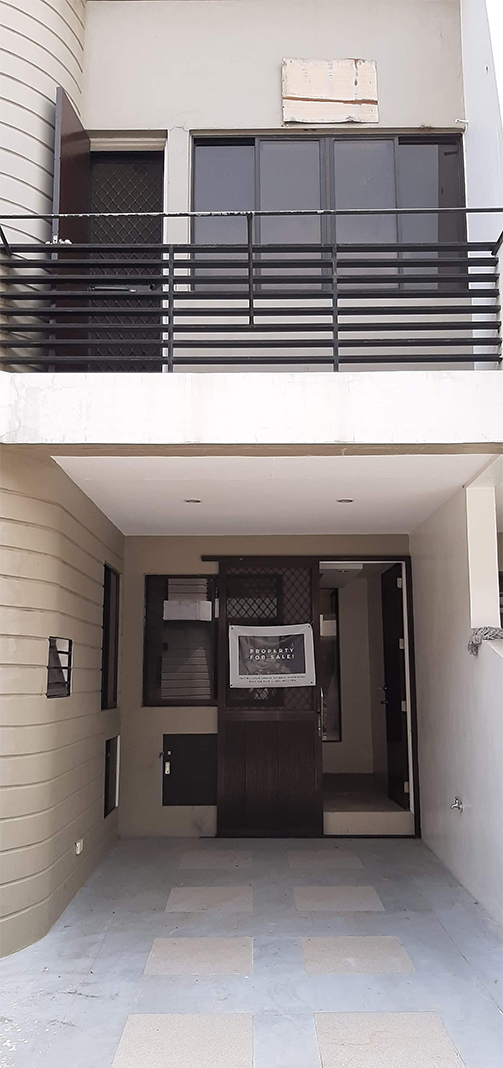
TH 1

If your focus is on convenience and accessibility, the TH 1 is only a 10-minute drive away from schools, hospitals, malls, churches, and more. Located in Marikina, this property is guaranteed to be in a safe and clean community.

Location: Marikina

Lot Area: 52 sqm.Floor Area: 68 sqm.

Features:

  • 3 bedrooms
  • 2 bathrooms and toilets
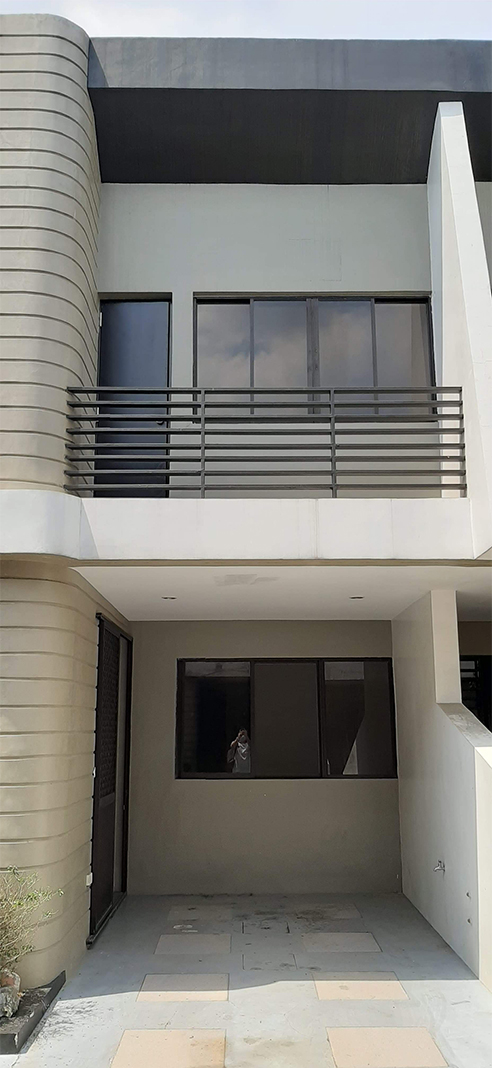
TH 2

For families that prefer serene settings without sacrificing convenience, try taking a look at the TH 2. It is found along a quiet street in an exclusive compound near schools, commercial establishments, and hospitals.

Location: Marikina

Lot Area: 52 sqm.Floor Area: 68 sqm.

Features:

  • 3 bedrooms
  • 2 bathrooms and toilets
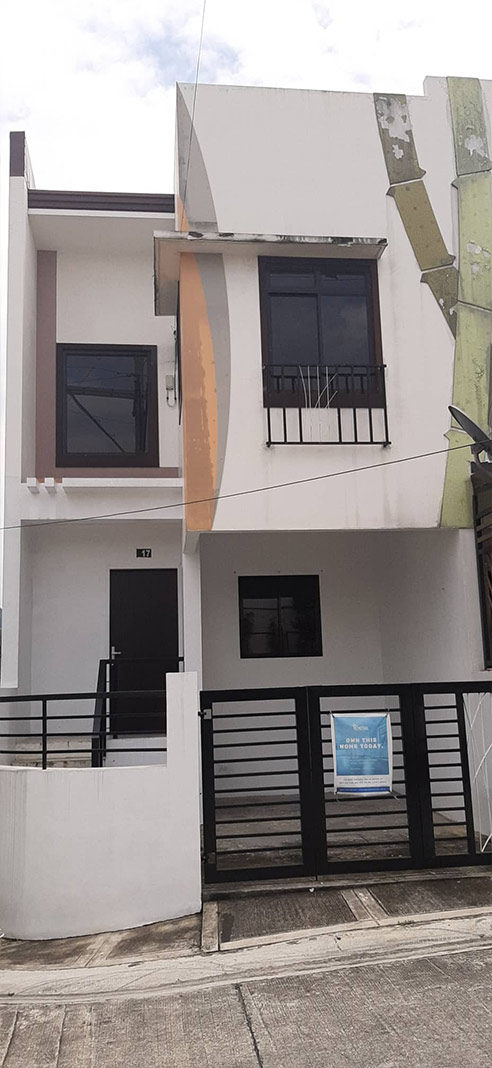
RFO 1

If your priority is security and peace of mind, the RFO 1 is found in a safe community that boasts guards on a 24/7 rotation.

Location: Marikina

Lot Area: 91 sqm.Floor Area: 136 sqm.

Features:

  • 3 bedrooms
  • 3 bathrooms and toilets
RFO 2

If your priority is security and peace of mind, the RFO 2 is found in a safe community that boasts guards on a 24/7 rotation.

Location: Marikina

Lot Area: 91 sqm.Floor Area: 122 sqm.

Features:

  • 3 bedrooms
  • 3 bathrooms and toilets

Take the first step towards
a brighter future.

We believe that every Filipino deserves to live peacefully in their own home, which is why we’ve made it easier for HC Mutual members to buy or build theirs with the KayaMo Home Loan. This hassle-free offer focuses on your long-term goals and financial mobility:

  • Loan amount up to 80% of the property’s Total Contract Price
  • Down payment of 10% to move in, with 0% interest for the remaining DP amount
  • Fixed rate for the entire loan term
  • Payment Holidays for your peace of mind during emergencies or financial difficulties

Learn more about the HC Mutual-Acquired Homes listed above or apply for the KayaMo Home Loan by sending us a message at mortgage@homecredit.com.ph or calling (02) 8771-1190 today.

We’d love to talk to you more about this HC Mutual-Acquired listing. Kindly fill out the form below and a member of our team will give you a call to discuss details.

Thank you for your interest.

We will be in touch with you soon to discuss more about your chosen home listing. Looking forward to talking to you!

SHARE

Share on facebook
Share on twitter
Share on email
Share on pinterest
Related Posts
Categories
articles

CASH LOAN 101: Because it pays to be informed!

CASH LOAN 101:
Because it pays to be informed!

September 24, 2020 | by HC Mutual

What is a cash loan? Is it different from a personal loan?

A cash loan, also commonly known as a personal loan, is an unsecured loan (meaning it does not require collateral such as a car or a house) that can be used for almost anything: from home renovation, emergency medical bills, or even capital to start a small business. Unlike secured loans, personal loans are backed only by your promise to repay the lender, which ranges from banks, peer-to-peer lenders such as a cooperative, and other financial institutions like HC Mutual.

What you need to know about personal or cash loans

When you take out a personal loan, the lender will charge interest as a fee for lending you money. Effectively, you will be repaying the amount you borrowed plus interest through monthly repayments over a set time period. Because personal loans are unsecured, interest rates often go as high as those for credit cards. (However, some lenders may offer lower rates under certain conditions, e.g. if you already have a savings account with that particular bank).

  • Advantages: they are easier to apply for than auto loans or a mortgage, and you get the cash upfront as a lump sum in a matter of days—handy if you need cash quickly
  • Disadvantages: spreads the cost of a purchase over several months or years

To know your eligibility as a borrower, lenders usually look at your income, credit score, and other standing debts. The amount you can borrow usually depends on your income and your existing account with the institution (if applicable). To get the best offers on personal loans, it’s best to have a history of on-time payments, a steady income, and a low income-to-debt ratio.

Common features of a personal loan

Interest rates may be fixed or determined by the lender based on your creditworthiness and length of loan

Paid back in fixed monthly payments typically over the course of 6, 12, 18, or 24 months

Some loans may feature increasing interest rates for longer payment terms

PREPARED FOR ANY OCCASION.

The HC Mutual KayaMo Cash Loan is a fast, multi-purpose loan you can avail without touching your hard-earned savings. 

  • Get preferential interest rates for personal loans up to P500,000*
  • Same day cash release via direct deposit
  • Applications 100% online for safety and convenience

*Depending on total amount of paid up subscriptions with HC Mutual

4 TIPS FOR GETTING A PERSONAL LOAN
1

Get pre-qualification from multiple lenders
You can do this to find out how much each lender is willing to loan you given your credentials, and their terms and conditions. (Doing this will not affect your credit score. Learn more about credit scores here.) Use these to compare your offers from multiple lenders to see what’s best for you.

2

Read the fine print
Did you know that indicated interest rates do not fully reflect the loan’s true cost? It is always best to have all the information before you make a decision, and lenders are required by law to give you these if you inquire:

  • Other charges to get the loan such as closing fees, origination fees, processing and document preparation fees
  • Charges related to loan servicing, such as late payment fees or NSF fees (overdraft or non-sufficient funds)
  • Benefits, such as payment holidays

CASH LOAN TIP: 
Some lenders charge prepayment penalties for overpaying or paying off the loan earlier (e.g. paying in full in 6 months for a 12-month loan).

3

Compare offers
When comparing loans, make sure you’re looking at similar offers with the same type of interest rate structure. Here are some things to consider:

CASH LOAN TIP: 
For some lenders, it actually costs you less to borrow more, meaning you pay less interest and get more of the loan value by getting a slightly bigger loan.

4

Save on personal loans
Personal loans are monthly liabilities. Know how much interest you’ll have to pay over the whole life of the loan, and how long it will take you to pay off given your monthly budget. Our advice: Only borrow if needed, planned and budgeted, borrow as little as possible, and repay as quickly as possible.

  • Make more frequent payments
  • Pay more than the minimum amount monthly
  • Set up automatic payments to avoid late fees and extra interest charges
  • Make bigger payments when you can
Conclusion

Personal loans may seem like a quick solution, but you still have to shop around and compare to find the right one that fits your need, your capacity, and your financial situation to make sure you maintain healthy and sustainable finances in the long term.

SHARE

Share on facebook
Share on twitter
Share on email
Share on pinterest
Related Posts
Categories
articles

ANNOUNCEMENT: HC Mutual Annual

ANNOUNCEMENT: HC Mutual Annual Stockholders’ Meeting

July 8, 2020 | by HC Mutual

WHO

Stockholders of record at the close of business on June 30, 2020

WHEN

July 29, 2020 (Wednesday), 2:00 PM

WHERE

Board Room Level 26
Insular Life Corporate Centre
Insular Life Drive, Filinvest Corporate City
Alabang, Muntinlupa City

Meeting Agenda: 

  1. Call to order
  2. Certification of Notice and Quorum
  3. Approval of the Minutes of the previous Annual Stockholders’ Meeting 
  4. Annual Reports 
  5. Ratification of all Acts and Resolutions of the Board of Directors and Management
  6. Election of Members of the Board of Directors 
  7. Appointment of External Auditor and Fixing of its Remuneration 
  8. Amendment of Articles of Incorporation (AOI) and By-laws
    to change the corporate name 
  9. Other matters
  10. Adjournment

Only stockholders holding common shares are entitled to vote during the annual meeting. You may download documents pertaining to Corporate Governance by clicking here.

If a stockholder is unable to attend personally but would like to be represented at the meeting, he or she must accomplish a Proxy Form to be submitted on or before July 17, 2020 to:

Corporate Secretary
26th Floor Tower 1 Insular Corporate Centre
Alabang, Muntinlupa City, Metro Manila 

Stockholders who cannot physically attend may instead participate in the annual meeting by joining the online video conference via Zoom. The meeting link will be sent after pre-registering.

Pre-registration is required to attend.
To pre-register or inquire, please email callcntr@homecredit.com.ph or call (63) 917 883-6970.

SHARE

Share on facebook
Share on twitter
Share on email
Share on pinterest
Related Posts
Categories
articles

HOME BUYING 101: A Guide to Buying your First Home

HOME BUYING 101: A Guide to Buying your First Home

July 6, 2020 | by HC Mutual

Part 1: House shopping

What to look for in finding the perfect first house for you

Buying your first home is not something you can rush into. We understand that it is an important milestone—something to show as proof of financial responsibility and capability, a rite into full adulthood, as it is. But this is all the more reason to take your time. Buying a house, especially for the first time, is a big commitment that takes a lot of work and preparation. It can be a smart move for the long term, but only if you fully understand what you’re getting into.

This is the first part of a series of our complete guide to help you buy your first home and reach an important milestone in your life—and ensure that it will be a step towards a good future.

How do I know if I’m ready?

This is the first, and probably one of the more difficult questions in starting your journey as a first time homeowner. While there is much to think about, you can start here.

Step 1: Ask yourself if it’s time for you to buy a home
We get it. Achieving milestones at work, thinking of your age, and grappling with peer (and family) pressure can be pushing you to consider buying a house now. But why do you really want to buy a house? The only reason that matters is if you are ready to be a homeowner, and ready to commit to everything that it entails—psychologically and financially. (If you are feeling anxious about “burning money” paying rent, think of it this way: they are both ways to have a place to live, each with their own pros and cons.)

Step 2: Ask yourself how you can afford a house
A home loan (or mortgage) is not something to be taken lightly. It is a commitment that takes 15 to 30 years. Before you even consider buying, you would have to have good credit, a steady income, and a sizable amount of cash for down payment which can range from 10% to 40% of the price tag. On top of that, there’s also the closing cost to take into consideration, which can run from 1.5% to 3.5%. Research financing options available to you and look at which fits. The KayaMo Home Loan is specially designed for first time home buyers; HC Mutual also looks at your current credit standing, not your history, when you apply for a loan.

Try a home loan calculator or consult a financial advisor to see if you can afford a home (or how much home you can afford) given your income and credit score, versus different loan term options and the down payment amount you are able or willing to cash out.

Step 3: Start with your dream house—and work backwards
Having an ideal “dream” home is just as important as thinking realistically about being able to get it. The key to finding the sweet spot is to separate your needs and wants in a house. Understanding what’s truly important to you can help you compromise based on your budget. Here are some things to consider:

  • Basic requirements (e.g. size (sqm), number of bedrooms and bathrooms)
  • Location and accessible amenities
  • Structural features (e.g. no. of stories, basement and/or garage, ventilation)
  • Exterior and interior features (e.g. pool, garden, flooring type, accessibility features)

Tips for shopping for your first home

Once you have decided that you are ready to own a house, then it’s time to look at your options.

1. Pick the right type of house for you
What kind of future are you seeing in this house? Perhaps you are looking to start a family and want a nice yard and ample space in a single detached home. But if you want easier maintenance and extra amenities and perks (and if your lifestyle can support the extra cost and less space), then you might want to consider a condo or a townhouse.

2. Check the neighborhood
Remember, this will be your home for a good chunk of your life, so you need to make sure that the neighborhood you pick will be a good fit for you.

  • Look up safety and crime statistics. This is a given, especially if you are planning to start a family. Go around and talk to the barangay or local enforcers to get a good picture of the security of surrounding areas.
  • Map out the available amenities. What do you need near you? Look for the nearest hospitals and clinics, grocery stores, pharmacies, churches, train and bus stations, parking spaces, etc.
  • Research nearby schools. Even if you don’t have (or are not planning to have) kids, this affects home value in the long term.
  • Visit the area or drive down through the neighborhood at different times of day so you can assess the traffic, activity, and noise in the area. Drive or commute to or from the location to assess how accessible it is and how long it takes to go to work or school. Transportation also factors into your living expenses.

3. Stick to your budget
Your pre-approved loan amount should be the ceiling when you’re house shopping and comparing prices. Aside from buying the house, you have to consider how much it costs to move into that house and live in it. In general, look at property valued less than your ceiling to make room in your budget for homeownership expenses such as:

  • Bills and utility payments
  • Home insurance
  • Maintenance and general upkeep of the home (e.g. paint, plumbing, etc.)
  • Emergencies (such as broken appliances)

It is important to consider these monthly and periodic expenses especially right after buying the house as your finances dip and shift drastically. For this crucial moment, HC Mutual offers the KayaMo Saver’s Plan to help you build up your savings and borrow against it when you need it for repairs and improvements in the future (you can usually expect these expenses within the first 5 years of moving into your new house).

Ultimately, being firm with your budget will save you from getting stuck for years paying a mortgage you can’t afford, and not being able to build your savings as a consequence.

Quick Tip!
If you’re buying from a seller and you’ve fallen in love with a house, you may be tempted to bid high at once to ensure that you win. Don’t. As long as you shop within your budget, you can give yourself some wiggle room to bid higher only if needed.

Lastly, find a good agent that you get along well with and discuss your questions and concerns comfortably. Someone who is skilled, motivated, and knowledgeable on your side is indispensable in finding the right home just for you.

SHARE

Share on facebook
Share on twitter
Share on email
Share on pinterest
Related Posts
Categories
articles

Digital Money Management: Know-Hows and Tips

Digital Money Management: Know-Hows and Tips

June 30, 2020 | by HC Mutual

In recent years, we have seen a steady rise of online stores, mobile banking institutions, and digital payment gateways in the Philippines. Now, with the global pandemic, there has been a stronger push for online and cashless systems for shopping, payments, and banking. We understand that this sudden pressure to make the switch can cause fear and doubts—but we are here to help you. In this guide, you can learn how to make the best out of your digital transactions and guarantee your online safety.

How can digital money management help you?

If you’re still considering whether or not going digital is worth it, take a look at how you can benefit from online transactions:

  • Increase financial mobility and accessibility – In the middle of the nationwide community quarantine, transacting online can help you manage your budget, pay your bills, buy groceries, and send extra funds to your loved ones anytime—in the safety and comfort of your own home.
  • Faster and more flexible services – With more businesses tailoring their operations to remote transactions, you can expect a wider range of online stores to choose from, quicker turnovers, and more customer-focused services. HC Mutual, for example, offers an auto-debit scheme to our members for a more convenient and stress-free saving experience.
  • Keep better track of your finances – Every payment, purchase, and transfer you make digitally is recorded, itemized, and sent to your email and phone, giving you better insight and control over your monthly budget.
How to get started—the smart way

With the wealth of digital money management apps and payment methods out there, figuring out your first steps can get confusing. Let us make your transition to online transactions easier with these tips:

  • Set goals and objectives – What made you decide to go digital? Determining the reason behind your switch can help you assess what services you need to consider and how you can narrow down your list. Do you need faster fund transfers, better budget tracking, or more payment options?
  • Research your options – The best decisions are made by being well-informed. Check out different money management tools and online payment methods. Ask around for reviews on security and performance and compare your options to find out the best fit for your needs.
  • Apply for a credit card – Having your own card is great for your credit score, and is a good avenue for fast and secure online transactions. Most services accept major credit cards, and are quick to authorize your payments. Unlike debit and cash payments, refunds are also easier with a credit card! All you have to do is to call your bank to cancel a transaction.

    While credit cards can easily enable your spending habits, it’s best to use it mainly for travel and emergencies only to avoid going over budget. Your card should help you gain more financial mobility, not hold you back with heavy monthly payments and interest charges.
  • Consider reloadable prepaid cards – Ready to test out cashless transactions but still hesitant to use your credit card? You can begin with reloadable prepaid cards. Simply reload your balance and use it as you would a credit card. While not as flexible, prepaid cards give you control over your spending. Now you have a convenient, controlled way to shop or pay bills online.

    Most prepaid cards don’t require a bank account to add funds, and instead you can top-up through authorized payment centers. It functions similarly to a debit card, where you can only spend the amount you currently have in your account.
  • Check out mobile payment apps – Focusing on security and convenience, mobile payment apps were made for safer and faster cashless transactions on your phone. Most forego additional fees and do not require you to connect a bank account. Like prepaid cards, all you have to do is load it with the amount you need—and you’re good to go!
  • Set spending limits – With exciting new ways to shop and a one-tap checkout process, you may find yourself spending more than planned. Review your budget and set a new limit on your monthly expenses. It’s also advisable to set aside separate funds for cash-only transactions. Going digital is extremely convenient; however, you still need cash for emergencies and utilities that aren’t covered by online payments.
Quick Tip!

You don’t have to stick to just one online payment and management platform. Shops, utilities, and bills often have their own preferred payment methods and gateways. To make the most out of your digital transactions, it’s best to have more than one cashless payment tool at the ready. More options, better financial mobility.

Ensuring safe transactions

Let us help you ease your worries when it comes to transacting online. Here are our tips on what to look out for to guarantee your safety and security.

  • Protect your password and data – Never share your account details with anyone, and always make sure that no one can see your phone whenever you log in. This is especially important for your OTPs (One-Time Passwords), credit card numbers, and account PINs. To be extra careful, avoid using public computers and public WiFi connections when making your transactions. If using a public computer, make sure to log out all of your accounts after you’re done.
  • Always check your records and bank statements – Make sure that everything listed are products and services that you actually purchased. Review each item and check if the price matches the amount you paid. If there are discrepancies or inconsistencies, call your bank or merchant right away.
  • Wait for the confirmation message – Websites, apps, and online stores will always send messages to your phone or email to notify you of a completed transaction. Some messages may arrive a few minutes after, so wait for it to avoid double payments. As an extra measure, check the vendor and save their contact details in case you may need to contact them.
  • Verify your emails and text messages – Before clicking on any link or confirming payments, make sure that the messages you receive from businesses and financial institutions are authentic. Check the sender number or email address, and check for errors or typos. For credit card holders, official entities will also have the last four digits of your card number, and will never ask you to complete it for them unless you call first.

    If you suspect a fake message or email, verify it by calling official hotlines or by doing a quick search of the sender’s details online. It’s always better to be safe than sorry!

  • Make sure the website is secure – Does it use “https://” in its URL? Do you see an icon of a lock beside the link? These are the first two things to check before you enter your payment details. Transact and enter your card or payment details only on official and secure websites.

As our country continues to adapt to our new normal, we can expect even more changes. We understand that this transition can be
stressful at first, but as long as you remain vigilant with your information, your journey to digital money management will be a safe,
beneficial, and smooth-sailing one.

SHARE

Share on facebook
Share on twitter
Share on email
Share on pinterest
Related Posts